Fonseca cellar tour with fado and two ports
A guided tour of the Fonseca cellars for up to ten people, then a dry white and a reserve ruby poured while a fado set plays in the cellar. A three-course dinner at a separate restaurant is optional.
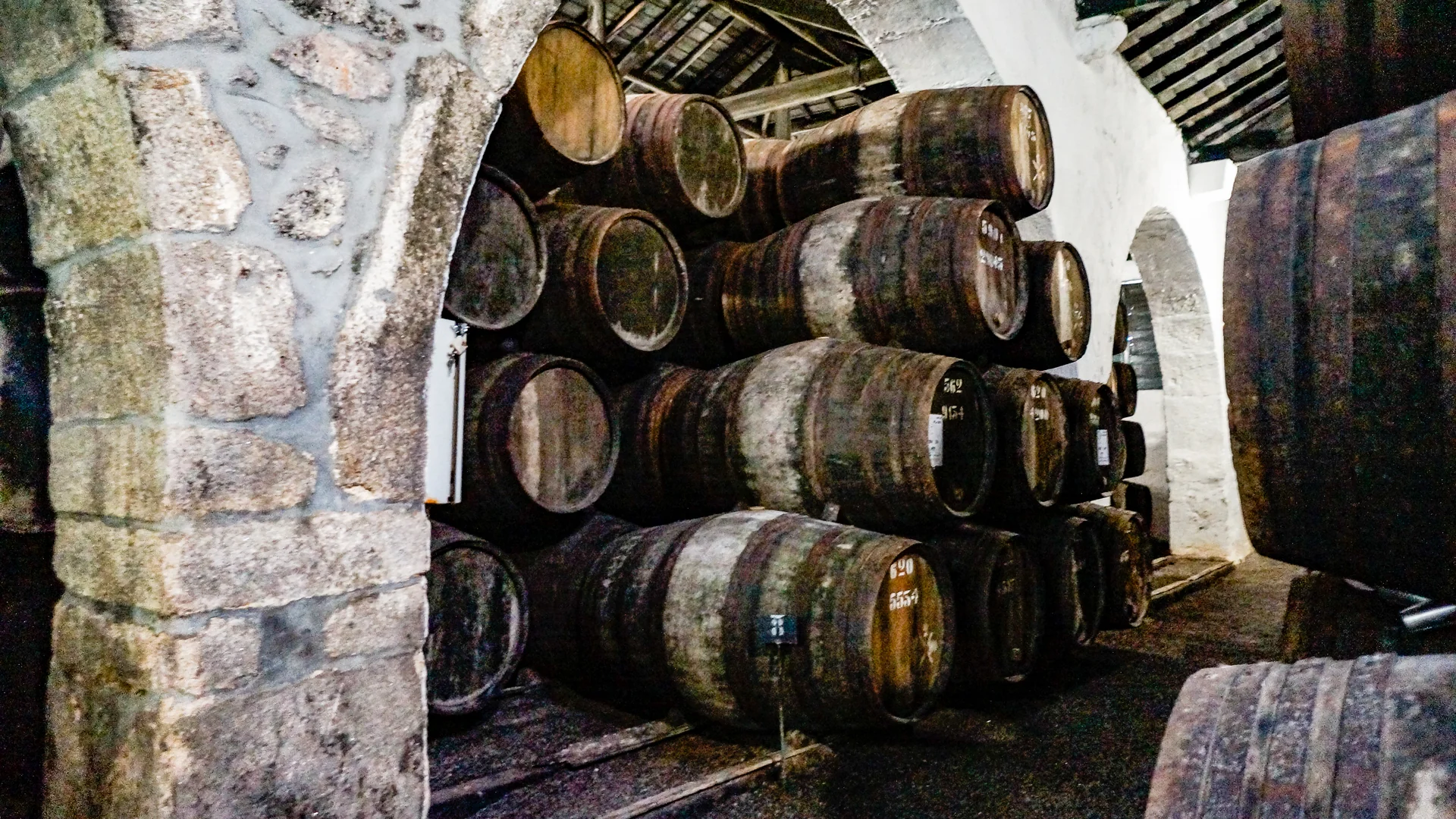
Fonseca cellars · Vila Nova de Gaia
A ten-person tour of Fonseca's Gaia cellars ends with two ports and a live fado set, with dinner as an option.
Groups are capped at ten and there is one tour a day, early in the evening.
Straight answer first
Yes, for anyone hoping to fit port and fado into one early evening without signing up for a long concert. A guide takes a group of no more than ten through Fonseca's cellars in Vila Nova de Gaia, then you sit among the casks with two glasses, a dry white and a reserve ruby, while a fado set plays in the same room. That part takes about ninety minutes. Add the dinner only if you want the rest of the night settled: it is a three-course meal at a separate restaurant, it costs considerably more than the tour alone, and it stretches the evening to as much as four hours.
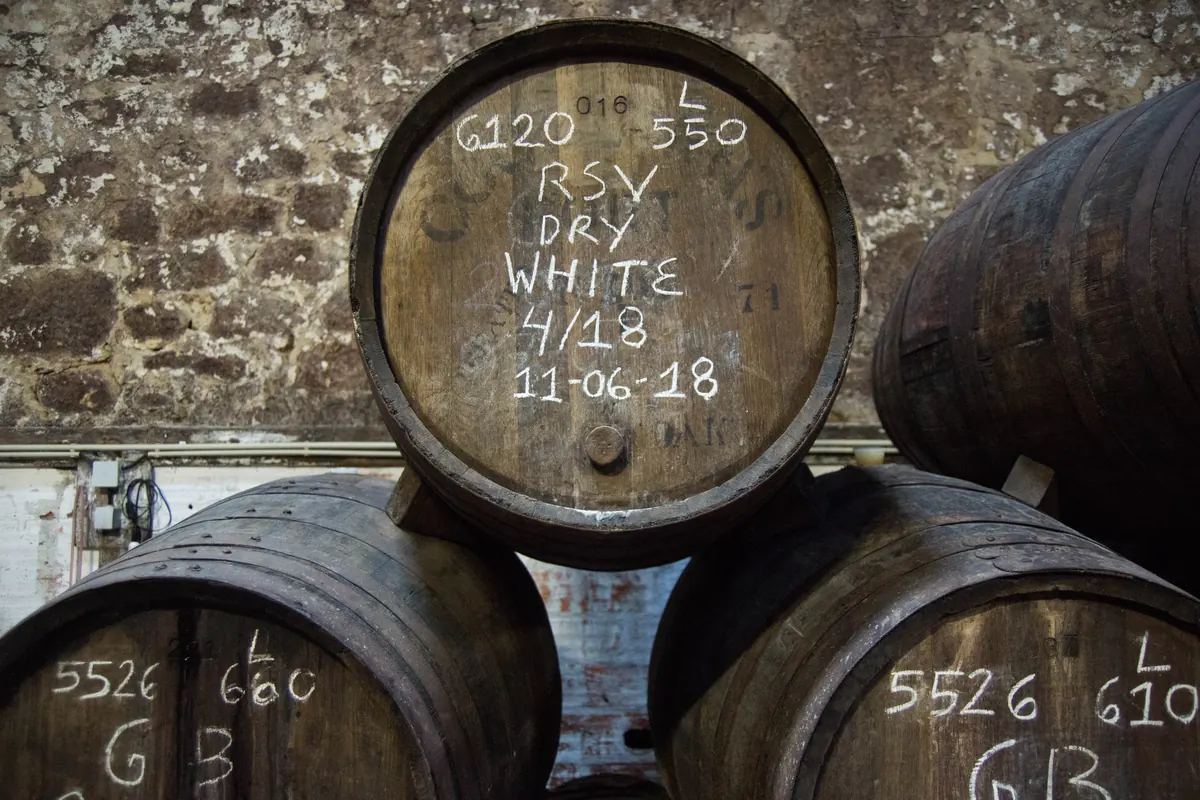
A guided tour of a working port cellar, a two-glass tasting and live fado, all under one roof. The guide covers the Douro Valley where the grapes grow, how port is fortified and aged, and the history of the house. Tours run in English and Portuguese, seats are not assigned and you may share a table.
Not a full fado concert, not a long tasting and not step-free. Two glasses is the whole pour, so keen port drinkers may want a second lodge as well. The floors are steep and uneven, which rules the evening out for anyone who has difficulty walking. Dinner is never part of the ticket unless you choose that option.
Four facts before you book the cellar
From the cellar door to the last song
Your confirmation gives the start time. The first two parts come with every ticket; the third only with the dinner option.
Part one
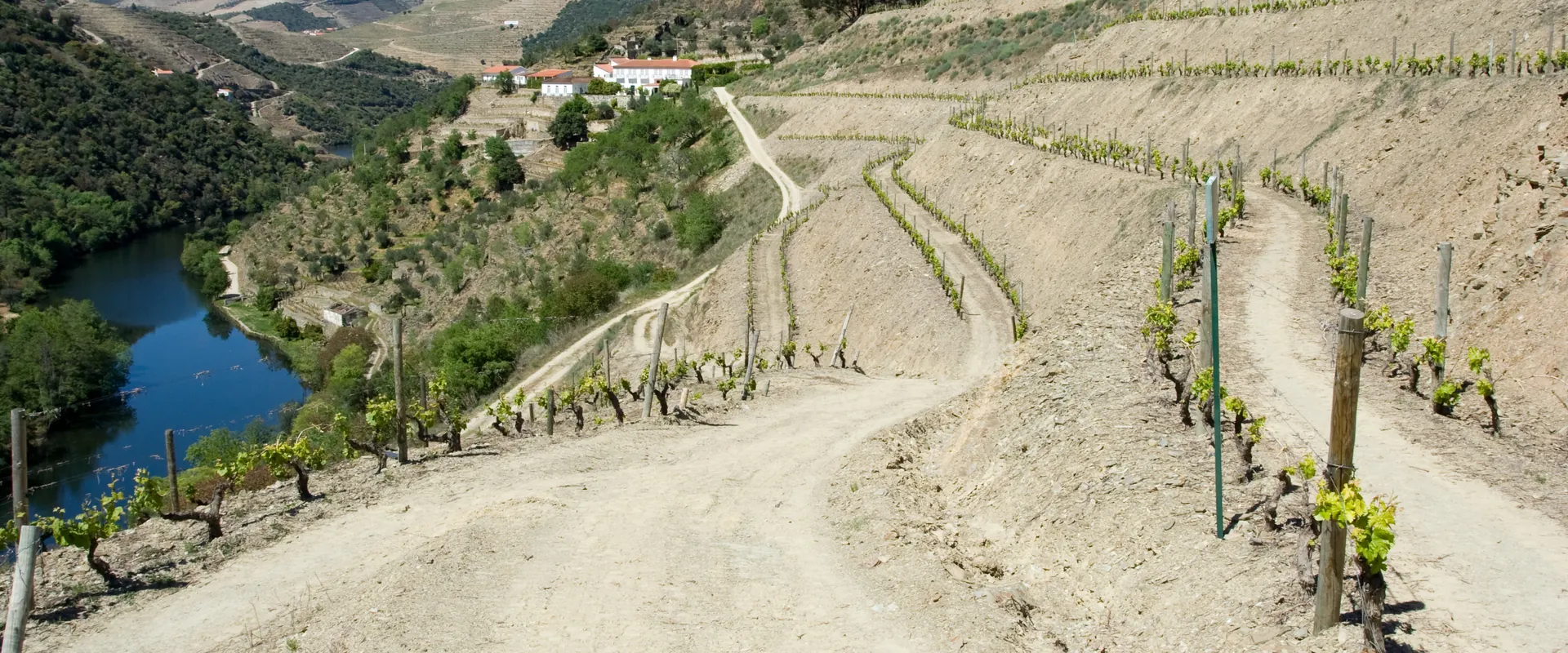
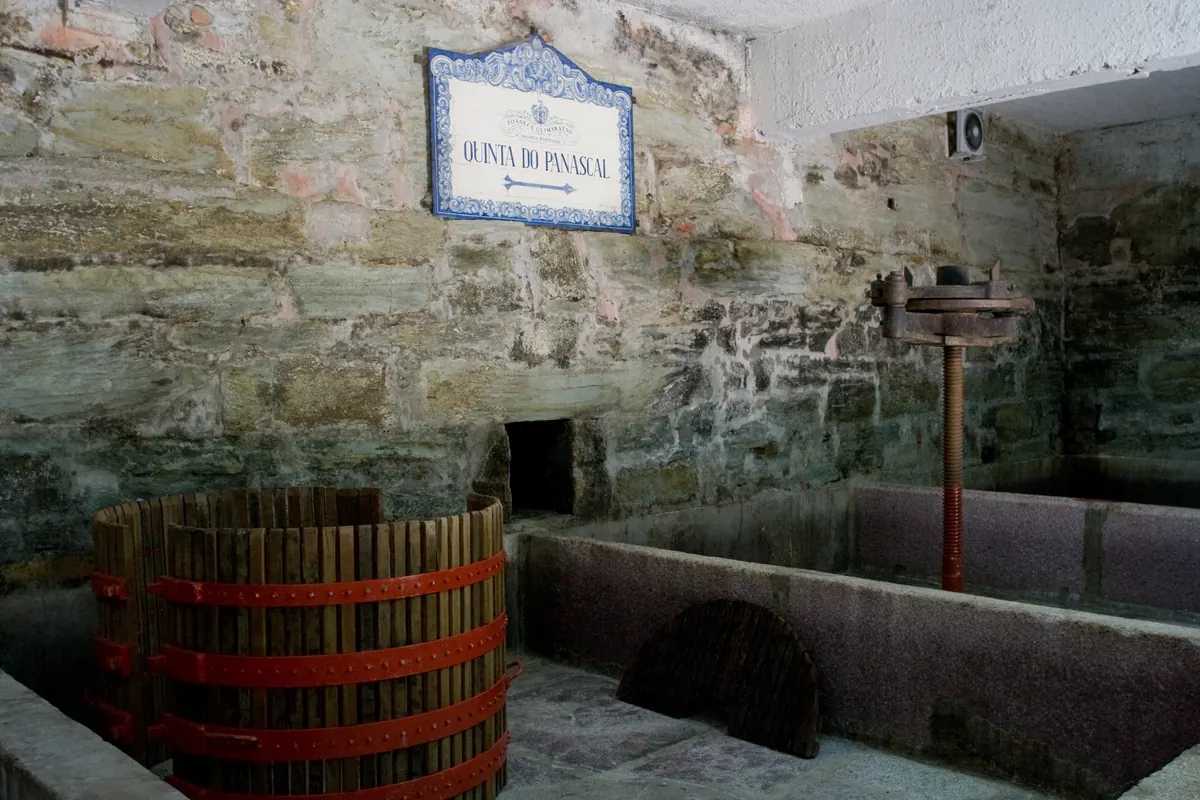
A guide walks the group through the cellars, starting upriver in the Douro Valley, where the grapes are grown and the wine first made, and at the house's own estate there, Quinta do Panascal. The talk then turns to fortification, ageing and the winemaking practices the house follows today. Expect to stand and walk on steep, uneven floors for this stretch.
Part two
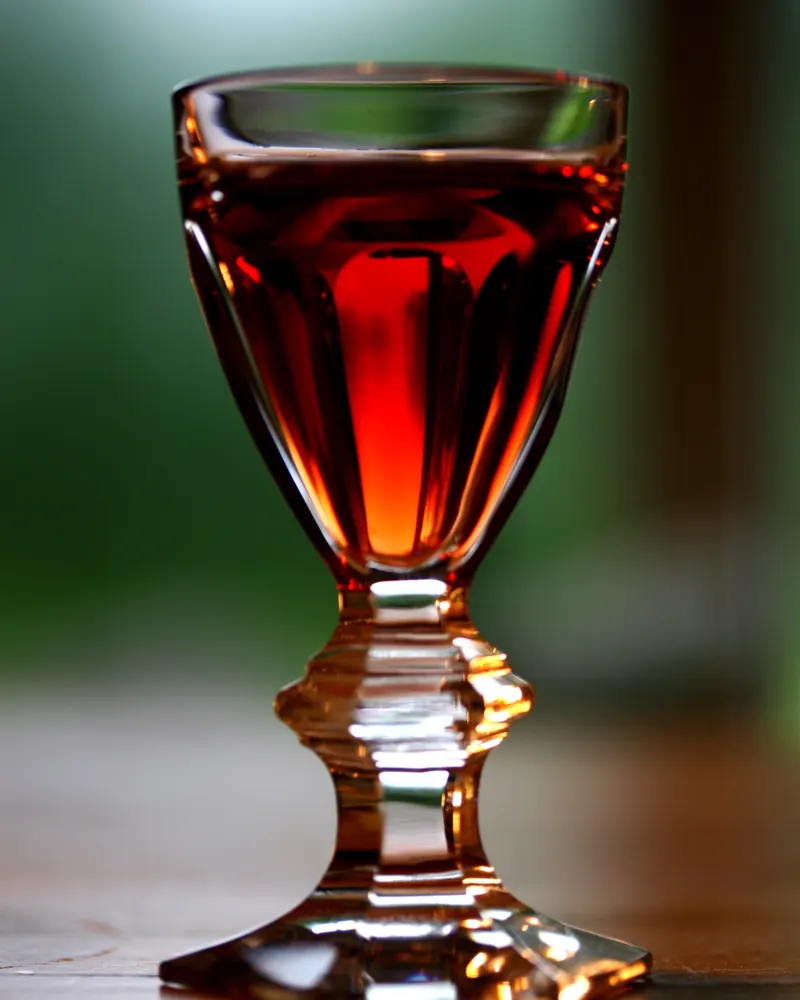
The tasting is poured while the musicians play, inside the cellar rather than in a separate hall. You get two glasses: Siroco, a dry white port, and Bin 27, a reserve ruby. Children are given grape juice from the Douro Valley instead. Seating is unassigned, so groups often share a table, and the music accompanies the tasting rather than filling a whole night.
Part three, optional
With the dinner option you move on to a restaurant in the WOW Cultural District for a three-course Portuguese meal served with wine, water and coffee. The restaurant sets the menu and changes it, so read the current one in your booking, and send any dietary needs to the team ahead of the day.
Port, style by style
Port is a family of styles, sorted by the grapes, by how long the wine ages and by whether it ages in wooden casks or away from the air. This is port in general, as the Port and Douro Wines Institute and Wikipedia describe it.
White
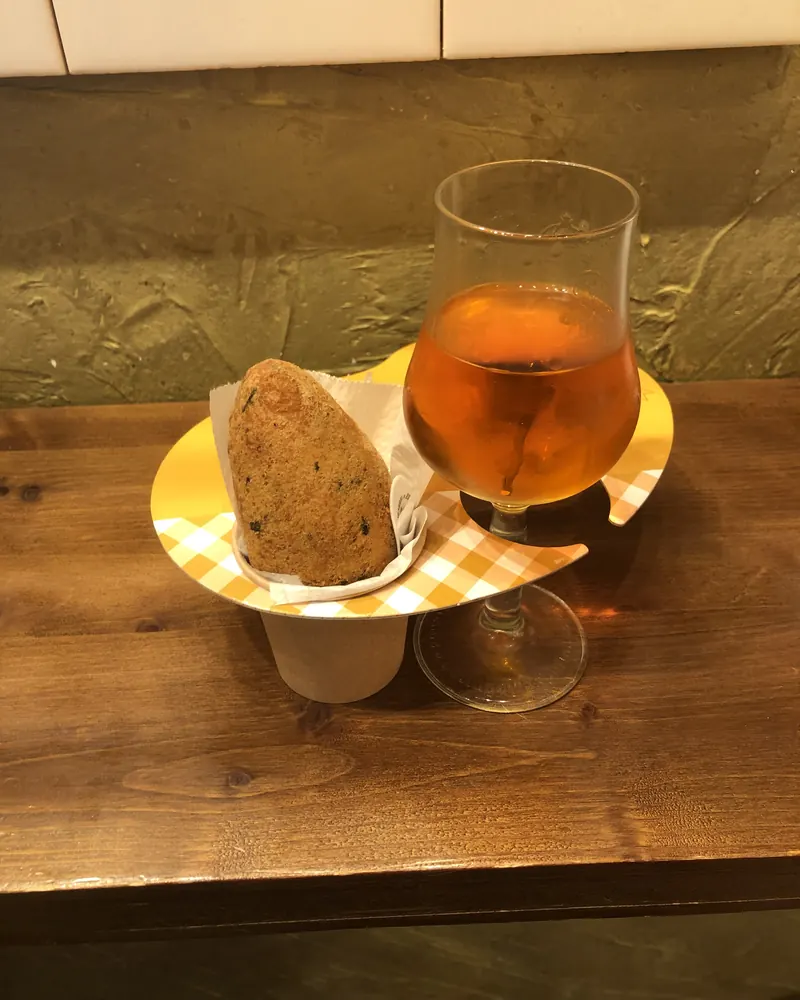
Made the same way as red port but from white grapes such as Malvasia Fina, Gouveio and Rabigato. Young whites are labelled by sweetness, from dry to the very sweet lágrima, and the drier ones are the aperitif style. Whites aged in wood carry age indications as tawnies do and turn golden.
Ruby
The everyday red. After fermentation it rests in concrete or stainless-steel tanks, away from oxygen, to keep its bright colour and young fruit. It is blended to a house style, filtered and meant to be drunk young rather than laid down.
Reserve
A premium ruby that the institute's tasting panel, the Câmara de Provadores, has to approve. In 2002 the old label 'vintage character' was banned for these wines, since they blend several years and lack the character of a true vintage.
LBV
Wine from a single year, aged in barrel and bottled four to six years after the harvest. Filtered LBVs pour straight from the bottle; unfiltered ones throw a deposit and need decanting. The style aims to give some of the pleasure of vintage port without the long wait.
Vintage
Made only in years a house declares, from one harvest, bottled young and built to age for decades. It is the most famous style yet only about two percent of all port, and its sediment means it has to be decanted before serving.
Tawny
Red port aged in wooden casks, where slow contact with air turns it golden brown and nutty while some of it evaporates. A tawny with no age on the label is a basic blend that has spent a few years in wood.
Aged tawny
Labels reading 10, 20, 30 or 40 years give the target age of a blend of several vintages. A colheita is single-harvest tawny, aged at least seven years in cask, with the year on the bottle instead of an age.
Sources: Wikipedia's Port wine article and the IVDP's special-categories page.
The dinner decision
The tour, the tasting and the music are the same either way. The dinner is a separate choice with its own price and its own room. Choose the dinner if you would rather not hunt for a table late in the evening. Skip it if you want a cheaper night or a restaurant you pick yourself. Either way, allergies and dietary restrictions go to the team in advance.
Tour only
About ninety minutes, ending in the cellar with two ports, or grape juice for children. The rest of the evening is yours, and it is the lower-priced way to book.
Tour and dinner
The same tour and fado, then a three-course Portuguese meal at a separate restaurant with wine, water and coffee. Up to about four hours in all, and it costs considerably more than the tour alone.
The house and the lodges
The house's own dates, the family that kept its name, and the river trade that put the cellars in Gaia.
Fonseca itself dates its name to 1815; Wikipedia gives 1822 for the firm's establishment. The house's own history cites a ledger entry of 8 April that year at the Real Companhia Velha, the royal monopoly company, recording a purchase of port by its founder, João dos Santos Fonseca. Wikipedia's account picks the story up in 1822, when the Guimaraens family took control on condition that the Fonseca name stayed on the wine.
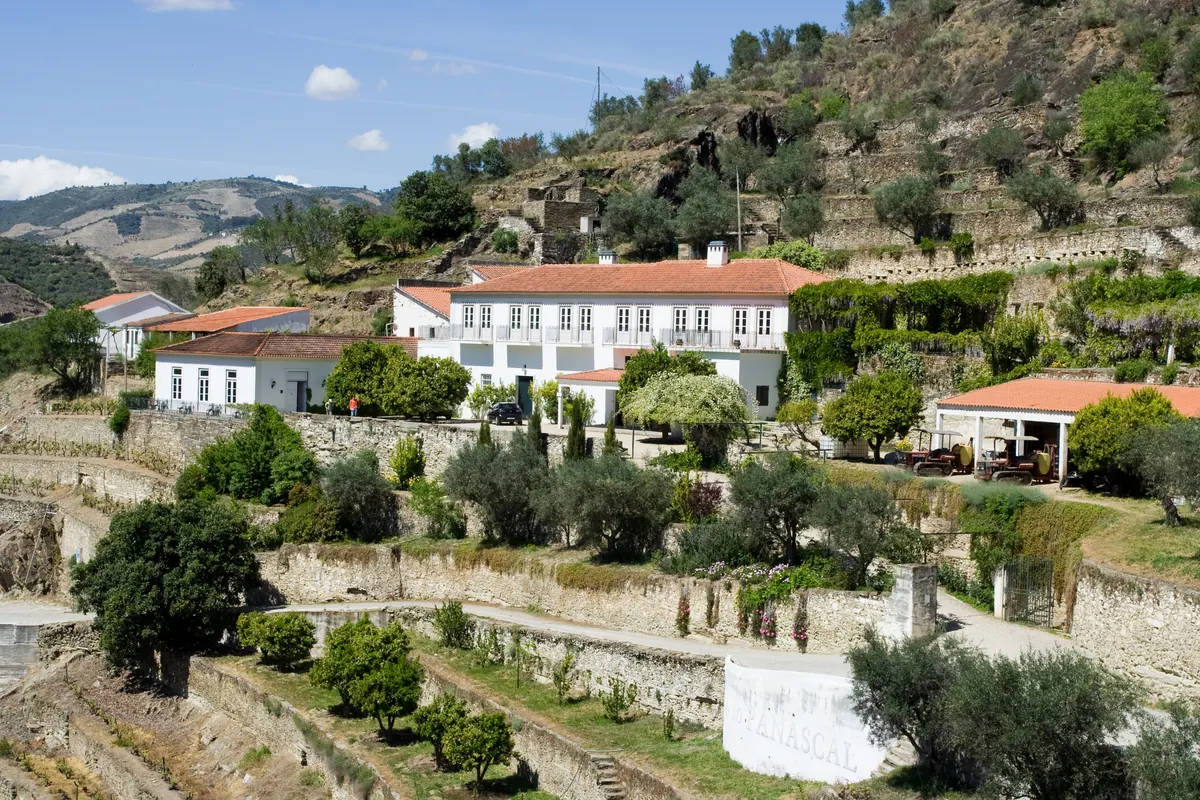
In 1948 a larger port company bought the house but let it carry on as a separate entity. Its estate in the Douro, Quinta do Panascal on the river's southern bank, was acquired in 1978, and the tour begins its story of the wine there.
Why are the cellars across the river from Porto at all? From 1777, after reforms by the Douro Wine Company, Vila Nova de Gaia became the designated storage site for wine sent abroad, and until 1986 port could leave Portugal only through Gaia. The barrels came down from the vineyards on flat-bottomed rabelo boats until dams were built on the river.
Each date is from the house history or Wikipedia, as cited in the guides.
The music in the cellar
What fado is, where it comes from, and why a short set suits a cellar.
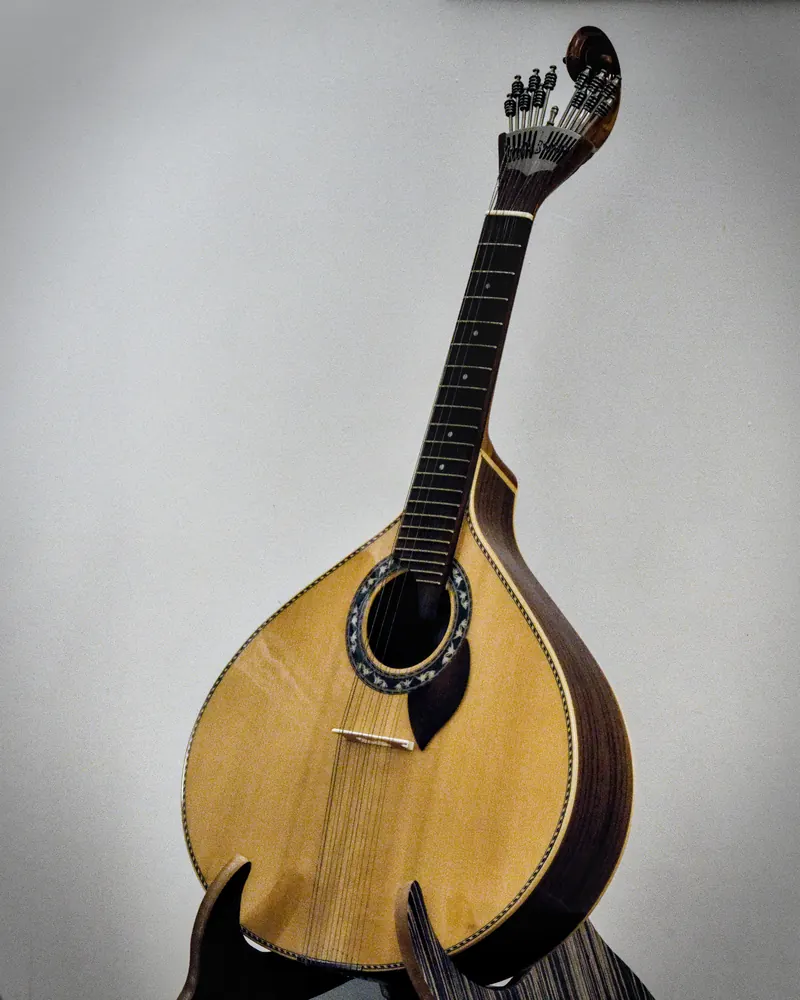
UNESCO inscribed fado in 2011 on its roll of humanity's intangible heritage. In its description a single voice, a man's or a woman's, sings over an acoustic guitar with wire strings and the guitarra portuguesa, a twelve-string instrument shaped like a pear that exists only in Portugal.
Its origins are hard to fix. The usual account traces fado to Lisbon in the 1820s, probably with older roots, and names two main traditions: Lisbon's, the better known, and Coimbra's, bound to its university, where men in student gowns sing it. The songs are often heard as expressions of saudade, a longing for something lost, though a fado can be about anything.
Porto has its own line in the instrument's story. In the eighteenth century the city's merchant families took up a locally modified cittern, a forerunner of the Portuguese guitar, for music at home. In the cellar the set is short and close, and it belongs to the tasting rather than to a stage.
Two Gaia lodges, two kinds of evening
The fine print, in plain words
The booking terms in plain words, so the floors, the tables and the dinner hold no surprises.
Photographs from Gaia and the Douro
Photographs of the port lodges in Gaia, the Douro estate behind the house and the bridge you cross to reach them.
Fado in the cellar, and three more Gaia bookings
The first card is the evening this site covers. The others are a second lodge for the wine alone, the river under sail, and a pastry class for the afternoon before.
A guided tour of the Fonseca cellars for up to ten people, then a dry white and a reserve ruby poured while a fado set plays in the cellar. A three-course dinner at a separate restaurant is optional.
About two hours at Graham's lodge in Gaia: a guide leads you through a working cellar, then vintage ports and tawnies are poured in a room fitted out like an old library. Wheelchair accessible, in English, for up to ten people.
Two hours on a classic sailboat from Marina da Afurada, along the Porto and Gaia banks and under six bridges, with a welcome drink and a plate of local products. It stays in port on rainy days, when a new date or a full refund is offered.
Two and a half hours making Portugal's custard tarts from scratch, pastry and all, with a glass of local wine while they bake. Adults only: under-15s cannot join, and it does not suit gluten or lactose intolerance.
Other things to book in Vila Nova de Gaia
Getting to the cellar door
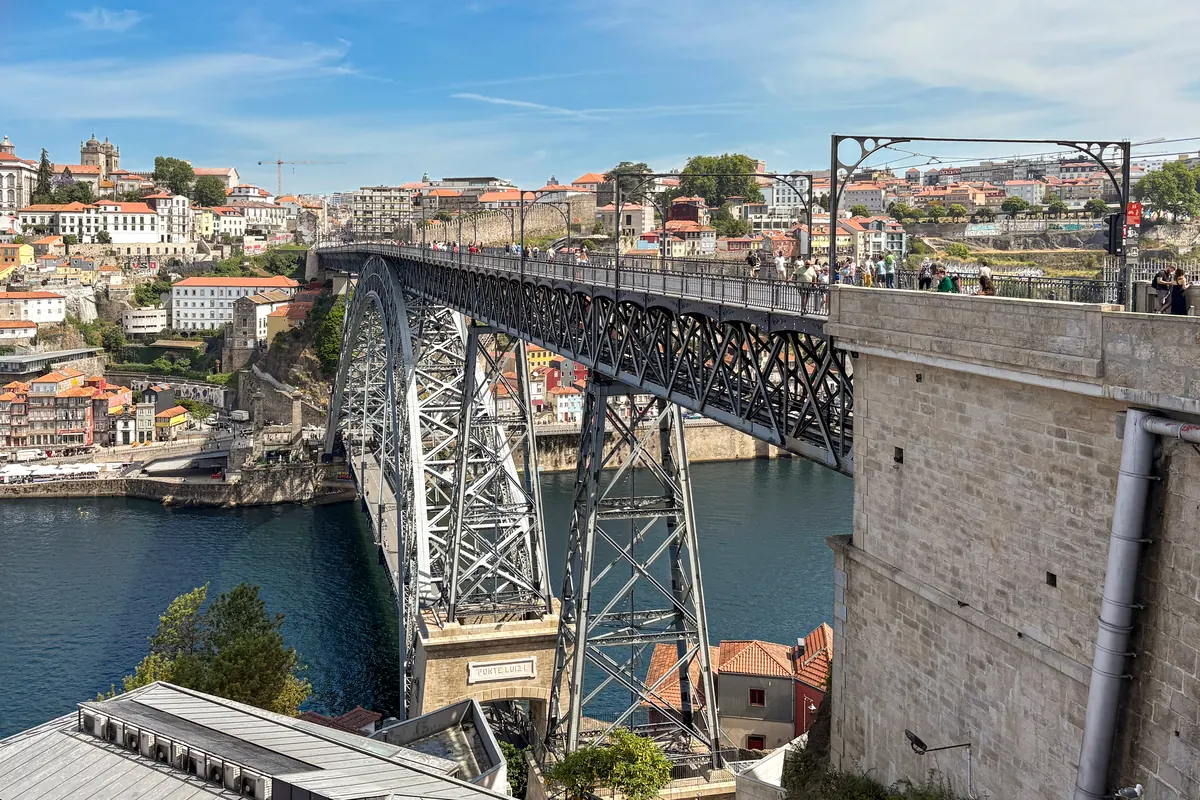
Walk across the Dom Luís I bridge from the Porto side to Vila Nova de Gaia. The bridge belongs to the same UNESCO World Heritage property as Porto's historic centre.
The cellars sit in the lanes behind the quay, a maze that makes the entrance easy to miss. Open the meeting-point map in your booking before you set off rather than following signs for other lodges.
There is one tour a day, early in the evening, starting at the time on your confirmation. Allow spare minutes for the lanes so you are not searching for the door when the guide begins.
A taxi or ride-hail car can drop you at the address on your confirmation if you would rather not walk there.
Flat shoes with a good grip, because the cellar floors are steep and uneven.
With the dinner option you go on to the restaurant. Without it, the rest of the evening is free, and the same bridge takes you back to Porto on foot.
Port, fado and the walk over
FAQ
Yes, for most first visits to Gaia: in about ninety minutes you tour a working port cellar, taste two ports and hear a live fado set among the casks. It is not a long tasting or a full concert, and the steep floors rule it out for anyone who finds walking difficult.
Two: a dry white port and a reserve ruby, poured during the fado set. Children are given grape juice from the Douro Valley. If you want to taste more widely, pair this evening with a second lodge on another day.
No. It is a live set played inside the cellar while the tasting is poured, and it ends with the tour. If an evening built entirely around fado is what you want, look for a dedicated fado house instead.
Only if you want the night arranged: a three-course Portuguese meal at a separate restaurant, with wine, water and coffee, taking the evening to as much as four hours. Skip it if you would rather eat elsewhere or spend less, because it costs considerably more than the tour alone.
No. The cellar surfaces are steep and uneven, and the tour is not suitable for anyone who has difficulty walking. For a step-free alternative, GetYourGuide marks the Graham's lodge tour on this site as wheelchair accessible, which is worth confirming with the lodge.
Yes. Children are given grape juice from the Douro Valley instead of port, so they can sit through the tasting and the fado with the rest of the group.
The tour is given in English and Portuguese. The fado itself is sung in Portuguese, and the music needs no translation to follow.
Not necessarily. Seats are not assigned and visitors may need to share a table, which is part of the cellar setting.
Walk across the Dom Luís I bridge to Vila Nova de Gaia, then use the meeting-point map in your booking. The cellars sit in the lanes behind the quay, and the entrance is easy to miss, so leave a few spare minutes.
The port house's hospitality company runs the tour, the tasting and the dinner option. You book it through GetYourGuide, and the confirmation you receive lists the start time and meeting point.
No. Fonseca Fado Show Guide is an independent site. The port house, its cellars, the restaurant and the tour company do not run it and are not affiliated with it. You book through GetYourGuide.
Yes. Through GetYourGuide you can call it off free of charge up to 24 hours before it starts, and payment can wait until closer to your date.